 PixelRetriever
How to send a DMCA takedown for a stolen photo (step by step)
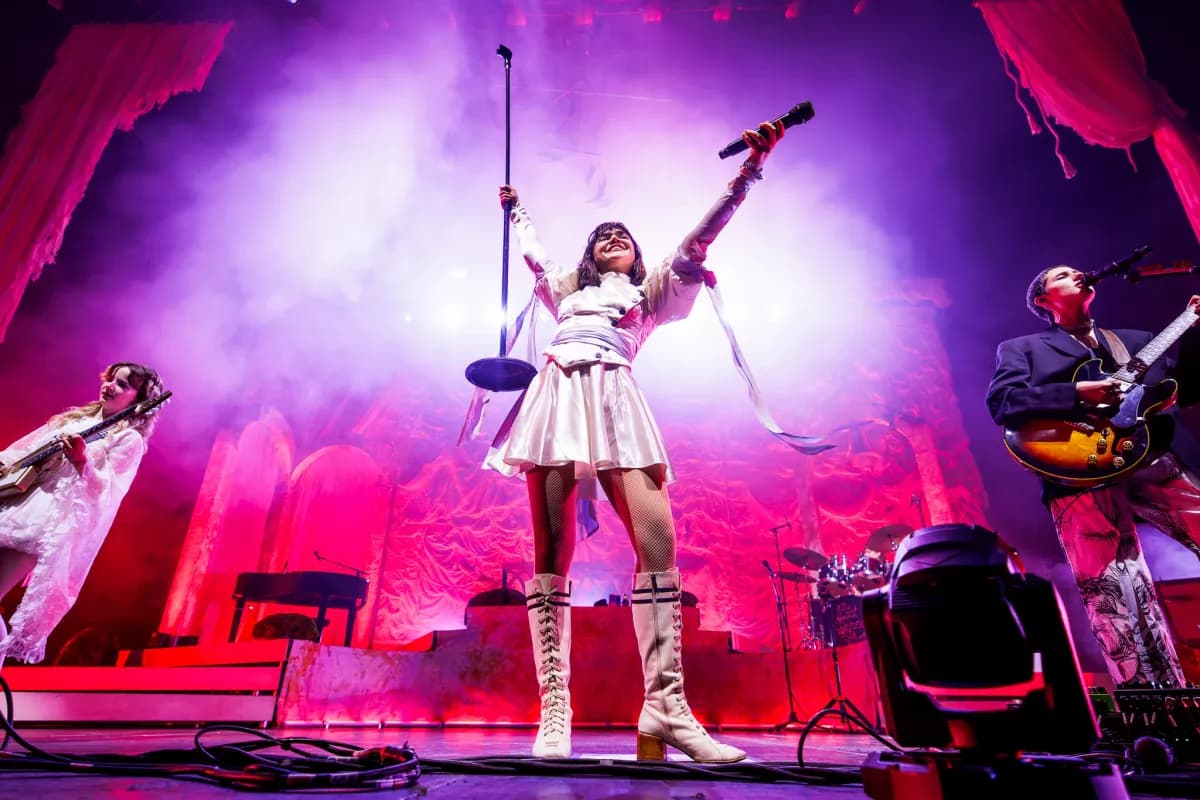
You found your photo on someone else's site or feed, used without permission. Frustrating, but very fixable. Here's the calm, escalating path most photographers take. (This is general information, not legal advice; rules vary by country.)
Step 1. Confirm and document
- Screenshot the page, the URL, and the date.
- Save proof you're the author (original file, EXIF, earlier posting date).
If you use monitoring like PixelRetriever, you already have the match, the source URL and a timestamp, which makes this step trivial.
Step 2. A polite first message (often enough)
Many uses are accidental or naive. A friendly note, "Hi, that's my photo; please remove it or license it here", resolves a surprising number of cases, and sometimes turns into a paid license.
Step 3. Send a DMCA takedown notice
If they don't respond or refuse, send a formal takedown to the platform or web host. A valid notice includes:
- Your contact details.
- Identification of your work and the infringing URL(s).
- A good-faith statement that the use is unauthorised.
- A statement, under penalty of perjury, that the info is accurate and you're the rights holder (or authorised to act).
- Your signature (typed is fine).
Send it to the platform's copyright form, or to the website's hosting provider's DMCA agent (a WHOIS lookup reveals the host).
Step 4. Invoice or escalate
For commercial use, you can send a licensing invoice for the usage instead of (or alongside) removal. If there's real money involved and they won't cooperate, that's when a lawyer or a managed service earns its fee.
The easy part: knowing it happened
The hardest part of all this is usually finding out in the first place. Let Pixel watch your portfolio so you catch unlicensed use early, with the URL and timestamp ready to act on.
Start free, 50 scans, no card needed.
Frequently asked
What information goes in a DMCA takedown notice?
Your contact details, identification of the copyrighted work (your photo), the URL where it appears, a statement that you have a good-faith belief the use is unauthorised, a statement under penalty of perjury that the information is accurate and you're the rights holder (or authorised to act), and your signature.
Do I have to pay a lawyer to send a DMCA notice?
No. Many takedowns are resolved with a polite message or a self-sent DMCA notice to the host or platform. A lawyer becomes useful when there's money at stake or the other party refuses. This article is general information, not legal advice.
Where do I send a DMCA takedown?
To the platform or web host of the page. Most large platforms (Instagram, YouTube, etc.) have a copyright/DMCA reporting form. For a normal website, find the hosting provider (a WHOIS lookup helps) and use their designated DMCA agent contact.

Let Pixel watch your photos
Free to try — 50 scans, no card. Start now →